Determining When to Call a Plumber: Red Flags to Monitor for Household Upkeep
Many homeowners miss minor indicators that signal plumbing issues. Persistent slow drains, dripping faucets, and unexplained water stains may seem minor, but they can indicate deeper problems. Ignoring these signs can lead to expensive fixes and increased water bills. Understanding when to call a plumber is vital for keeping a properly operating plumbing system. What happens when these issues worsen? The consequences might be more damaging than one imagines.
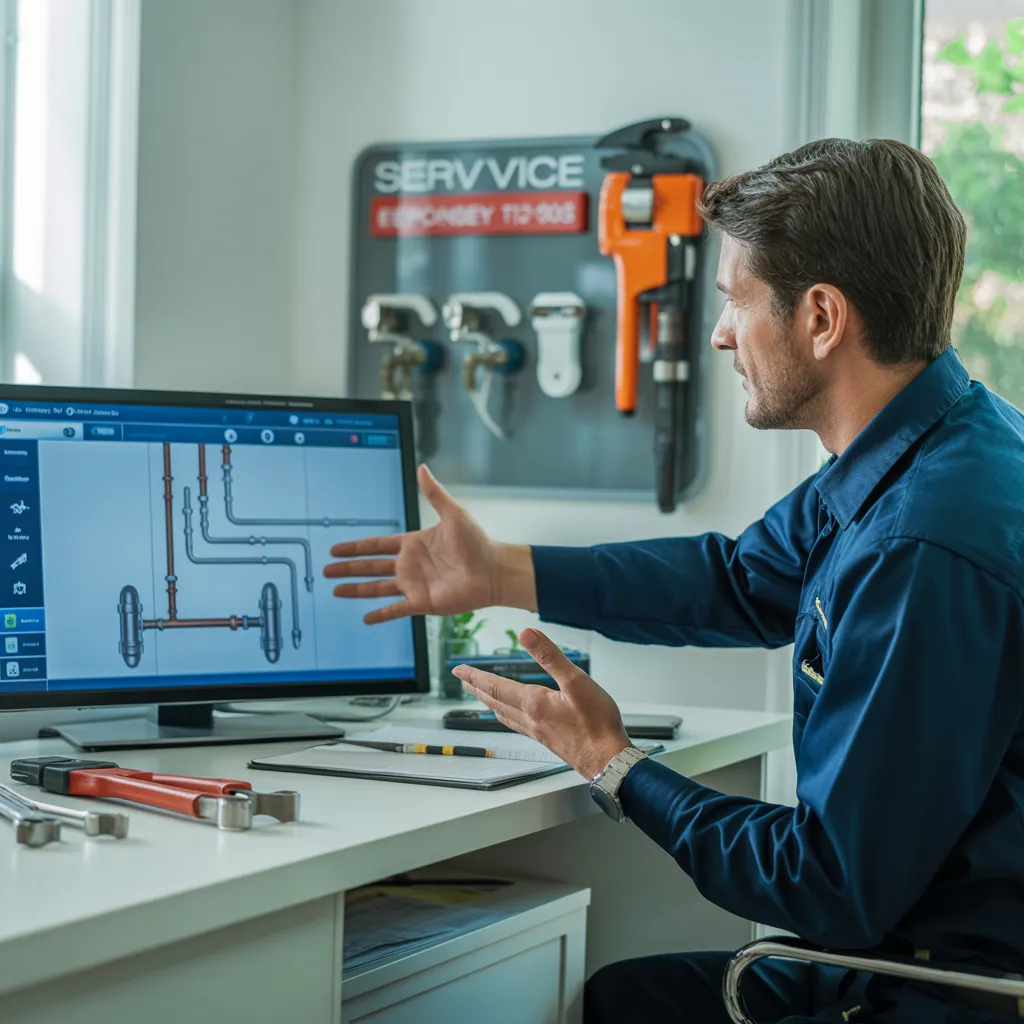
Standard Plumbing Problems You Must Address
When homeowners experience plumbing issues, they often underestimate the potential severity of the problems. Common plumbing issues such as slow drains, dripping faucets, and running toilets may seem minor at first glance, but they can lead to significant damage over time. A slow drain, for instance, can suggest buildup in the pipes, which may over time cause a obstruction. Dripping faucets not only lose water but can also suggest deteriorating seals or worn fixtures. Running toilets can waste hundreds of gallons of water monthly, resulting in increased expenses. Ignoring these signs can lead to more comprehensive repairs and elevated costs. Homeowners should be aware of these frequent concerns and tackle them promptly. Consulting a professional plumber can give fixes that avoid extra issues, ensuring the durability of the plumbing system and the general condition of the home.
Indicators of Undetected Leaks: Techniques to Find Them
Undetected leaks can present a significant threat to a home's plumbing system, often staying hidden until they lead to major problems. Homeowners should be vigilant for various clues that indicate a undetected leak. One common sign is sudden increases in utility costs, which may point to water drainage. Additionally, damp patches on walls, floors, or ceilings can reveal moisture penetration. Fungal growth is yet another warning, as it frequently grows in damp conditions caused by leaks. It is also essential to search for water pooling in basements or crawl spaces, which can suggest a significant leak. Homeowners should pay attention for sounds of water running with all fixtures off, related resource as this can suggest a hidden leak. Finally, changes in water pressure in operation may also hint at plumbing concerns. Early detection of these signs can assist prevent costly maintenance and significant harm.
What That Terrible Smell Reveals About Your Plumbing?
A terrible smell originating from plumbing fixtures can reveal several issues requiring urgent response. Frequently, a foul smell may signal a backed-up drain, where food scraps and debris gather, promoting bacterial development. This not only generates unpleasant odors but could also create potential health concerns.
A different cause of foul smells could be a dried-out trap. When a sink or floor drain remains unused for an extended period, moisture in the trap may dry up, permitting sewer gases to enter the home. Furthermore, a severe problem might include a damaged sewer line, which could result in major structural harm and health dangers.
Property owners must not overlook these odors, since they frequently indicate issues that might worsen if not dealt with. Swift action from a qualified plumber can assist in discovering the underlying cause and avoiding additional problems.
Comprehending Water Pressure Fluctuations
The causes of water pressure variations can frequently confuse property owners, since these shifts can reveal multiple plumbing problems. An abrupt decline in water pressure might imply a rupture in the system, especially in concealed pipes. On the other hand, an unforeseen rise could point to a faulty pressure regulator or a problem with the city supply.
Consistently fluctuating pressure rates could suggest broader network concerns, including deteriorated pipes or calcium deposits. Residents should monitor the regularity of water delivery; if it becomes irregular, it might be wise to examine things more closely.
Additionally, changes in water pressure can affect appliances and fixtures, leading to reduced efficiency or even damage over time. Being aware of these signs allows homeowners to address potential problems early, preventing more significant repairs and ensuring a reliable plumbing system. When in doubt, consulting a plumber can provide clarity and necessary solutions.
Strange Noises: What Your Pipes Are Telling You?
Have property owners ever taken time to hear the unusual noises coming from their pipes? These audible signals frequently function as critical warnings of hidden plumbing complications. Gurgling sounds may indicate an obstruction in the drain, while clanging noises, referred to as water hammer, might suggest excessive water pressure or unfastened pipes. A hissing tone could indicate a rupture, which, if not handled, might cause more severe deterioration. Whistling or squealing may alert to complications with the water valve or faucet. All of these tones represent a way of communication from the plumbing structure, prompting property owners to look more carefully. Neglecting these alerts might create substantial expenditures and bother. As a result, detecting and fixing these unusual noises swiftly can conserve resources, funds, and labor in the future. Property owners must stay alert and consider contacting a plumber if these annoying tones grow regular or troublesome.
Detecting Water Damage Before Serious Damage Occurs
Water damage frequently goes undetected before it becomes a major problem. Homeowners need to stay alert for mysterious water marks, signs of mold growth, and stale smells, since these indicate underlying problems. Recognizing these indicators promptly saves on expensive repairs and further damage.
Mysterious Water Discoloration
Unexplained water stains on ceilings and walls can be a silent warning sign of hidden plumbing problems. These stains may appear as dark patches or dark marks, often indicating a leak from pipes or roofing. Homeowners should pay close attention to the size, shape, and location of these stains, as they can reveal the severity of the problem. If the stains persist or expand, it could indicate a greater concern that needs expert help. Ignoring these signs can lead to further damage, including structural problems or increased repair costs. Taking prompt action is crucial; calling a plumber can assist in locating the source of the leaks and prevent additional complications, guaranteeing the home stays secure and structurally intact.
Mold Development Signs
The presence of water marks frequently result in more serious concerns, like mold development. Homeowners should remain vigilant for signs that mold might be developing. Indicators include discolored patches on walls, ceilings, or floors, often appearing in shades of green, black, or white. Additionally, a damp or humid environment can exacerbate mold proliferation, especially in spaces with inadequate airflow, such as basements and bathrooms. Be mindful of peeling wallpaper or paint, since these may indicate hidden moisture problems. Homeowners should also be aware of condensation accumulating on windows or surfaces, which may indicate high humidity levels. Addressing these indicators promptly is essential to stop further damage and ensure a healthy home.
Damp Smells Found
A pervasive mustiness can serve as a telltale indicator of concealed water problems inside a home. When occupants detect these odors, it often indicates moisture buildup in areas like basements, attics, or behind walls. Musty smells may arise from mold growth or damp materials, both of which indicate the need for immediate attention. Ignoring these odors can lead to more significant structural issues and health risks. Homeowners should investigate the source of the smell, seeking leaks, water stains, or condensation. If the problem persists or is beyond their expertise, contacting a plumber is essential. Expert help can pinpoint and fix the root cause, guaranteeing a secure and healthy home.
Popular Questions
How Much Does It Typically Cost to Hire a Plumber?
Typically, contracting a plumber costs between $45 and $200 per hour, depending on elements such as geography, work intricacy, and the plumber's experience. Extra charges may be charged for urgent repairs or specialized jobs.
Should I Manage Plumbing Issues Myself or Call a Plumber?
Choosing whether to handle plumbing problems yourself or contact a professional is contingent on extent. Simple tasks can be doable, though substantial concerns usually require expert knowledge to stop additional damage and provide security.
What Emergency Plumbing Services Are On Hand 24/7?
Round-the-clock emergency plumbing help commonly encompass leak patching, drain clog cleaning, pipe burst fixing, and water heating issues. These services assure prompt help throughout plumbing catastrophes, stopping additional damage and restoring performance quickly.
What Steps Can I Take to Avert Plumbing Problems?
Averting plumbing issues requires regular maintenance. It encompasses checking for leaks, securing drainage, stopping clogs by being cautious with matter, and scheduling inspections with professionals to resolve possible problems in advance.
What Warranties Do Plumbers Offer on Plumbing Work?
Most plumber companies include warranties on their services, promising jobs remains covered for a set period. Such assurances offer homeowners reassurance, protecting against future complications related to recent plumbing repairs services.
Comments on “Top-Rated Spencer Top Water Heater Installation with Long-Lasting Results”